Broken Vans, Broken Promises: DSPs Deserve Better
Are you constantly bracing yourself for the next unexpected van repair bill? Since 2022, the Amazon Delivery Service Partner (DSP) fleet program has shifted from a logistical support system into a severe financial liability for operators.
For years, DSP owners have navigated rising auto insurance premiums, scorecard threshold creep, and intense daily workloads. The current state of fleet management is fundamentally flawed. According to recent DEFT surveys, over 90% of DSPs report significant spikes in fleet costs, with fleet repair and redeployment costs ranking among the top three most urgent threats to financial sustainability.
It is time to address the root causes of these fleet failures. By understanding the systemic issues — from aggressive “as-is” transfer models to restrictive fleet management bottlenecks — we can collaborate to advocate for a more equitable, transparent, and sustainable program.
The “As-Is” Transfer Trap: An Unfair Liability Shift
One of the most disruptive practices in the current program is the “as-is” vehicle transfer model. When vans are redeployed, liability is disproportionately shifted onto new Road to Ownership (RTO) operators and bench candidates.
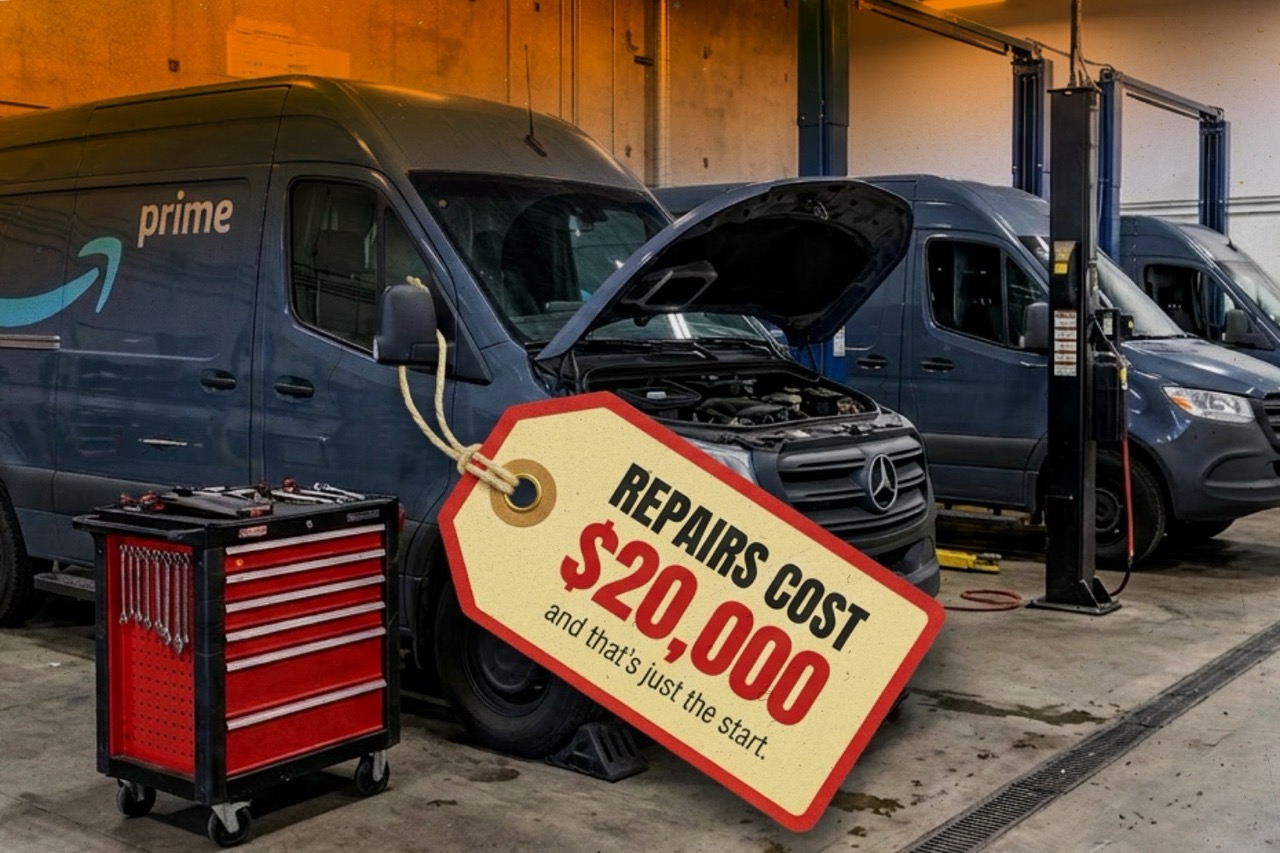
Instead of setting new DSPs up for operational success, the system forces them to inherit vehicles in poor condition — or saddles departing owners with surprise repair bills sometimes exceeding $20,000 per vehicle. This practice drains capital immediately and sets a dangerous precedent.
Small business owners should not be subsidizing the depreciation of a multi-billion-dollar logistics network. We need a system where vehicle conditions are transparently assessed and liability is fairly shared, rather than passed down the chain to the most vulnerable partners.
The FMC Bottleneck: Element, Wheels, and the AFS Domino Effect
A delivery business cannot survive if its vehicles are stuck in the shop. Unfortunately, Fleet Management Companies (FMCs) like Element and Wheels are frequently failing to approve repair invoices in a timely manner.
How the Domino Effect Works
When FMCs delay approvals, vehicles experience excessive downtime. This directly impacts our ability to meet service level expectations and damages our Amazon Fleet Scorecard (AFS). DSPs are then hit with Last Mile Service Center (LSC) Corrective Action Plans (CAPs) as a result of these fleet failures.
We are being penalized for the inefficiencies of a vendor that Amazon requires us to use. That is not a partnership — it is a liability transfer dressed up as one.
Single Points of Failure and VAS Deficiencies
Operational fragility is another significant hurdle. In many markets, there is a critical reliance on a single point of failure — whether that is one primary maintenance hub or a specific vendor. When that single node experiences delays, the entire local DSP network suffers.
Coupled with ongoing service level issues regarding Value-Added Services (VAS), DSPs are left navigating operational bottlenecks that slow down service times and erode profit margins. We need decentralized, reliable maintenance networks that support operations at every turn — not hold them hostage.
The 2026 and Beyond Blindspot: Operating in the Dark
Strategic business growth requires foresight. Yet DSPs continue to have zero visibility into Amazon’s fleet plans — for 2026 and the years ahead. Without access to vehicle replacement schedules, EV transition timelines, or new technology requirements, accurate financial forecasting isn’t just difficult — it’s nearly impossible.
This lack of transparency strips DSPs of their ability to make sound business decisions. We are already in mid 2026, and operators are still flying blind. A true partnership is built on open communication and shared roadmaps. Without clear insight into Amazon’s evolving fleet strategy, DSPs are left managing their businesses in a state of constant financial anxiety — and that is not acceptable.
Take an Active Role in Shaping the Future
The challenges we face are steep, but they are not insurmountable. Cutting costs without cutting corners requires a unified front. It is time to transform shared frustrations into collaborative, data-backed advocacy.
Your Voice Matters
Join the discussion today. Advocate for fair policies, share best practices, and help set new standards for how this program should operate. Visit DEFT-us.com to learn more and join our independent association.
- Facebook: facebook.com/DEFTUS
- Twitter/X: @DEFT_US
Together, we can make a difference.